
-

-
Azaleas at Sensuikyo gorge
2024/05/10
Flowers in Japan, Flower Garden, Staff BlogSensuikyo gorge is located at an altitude of approximately 900 m at the northern foot of Mt. Aso. From there you can see the north side of the caldera and the outer rim of caldera. At Sensuikyo gorge, approximately 50,000 azaleas called Miyama-kirishima bloom all at once, painting the area pink.
-

-
Kagoshima, in Kagoshima-prefecture
2024/05/25
Featured destinationsThe southern most major city in Kyushu and from here you can see Sakura-jima Island and it’s active volcano from which smoke and steam rise across Kagoshima Bay. Kagoshima prospered in the Edo period as a castle town. Tenmonkan is the biggest shopping arcade and here you can dine on local cuisines, especially succulent meats and also enjoy the vibrant night life, bars and restaurants. Population : 586,000 people, Population density : 1,070 people / km2
-
-
Ibusuki and Satsuma peninsula, in Kagoshima-prefecture
2024/05/25
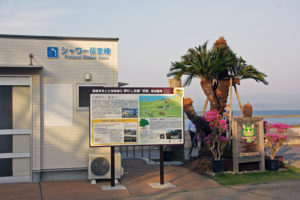
Featured destinationsIbusuki is known for it’s hot spring Onsen Resort, and it’s famous natural steam sand baths located on Kinko bay. To the east the Satsuma peninsula offers spectacular ocean views and this peaceful rural area is know as the “home of the sweet potato”. Population : 37,000 people, Population density : 250 people / km2
-

-
Sakurajima Island, in Kagoshima-prefecture
2024/05/26
Featured destinationsSakurajima Island is the symbol of Kagoshima. The smoke and steam rises almost every day from the active volcano Minamidake. Formerly an island, it became connected with the Osumi Peninsula in 1914 when lava from its summit closed the channel between the two. Observation points on the island can be accessed by ferry. Population in Sakurajima Island : 5,000 people
-

-
Takachiho, in Miyazaki-prefecture
2024/05/30
Featured destinationsTakachiho is geographically located in the south is Aso and administratively, it is Takachiho town in Nishiusuki -gun, Miyazaki-prefecture. Offers dynamic nature Takachiho Gorge, where has been created by volcanic activity of Aso for many years. And here is the birthplace of Japanese mythology. Japanese traditional performing Japanese Kagura originated in Takachiho can be enjoyed. In additional Japanese beautiful Country side landscape can be seen. Population : 11,000 people, Population density : 45 people / km2
-

-
Mount Tsurumi, in Beppu, Oita-prefecture
2024/05/10
ExperiencesSoaring 1375 metres into the sky, Mount Tsurumi is a breath taking mountain overlooking Beppu that offers some decent hiking, rare flora and outstanding vistas. Visitors can take a ropeway 800 metres up and revel in being surrounded by acres of rolling greenery. On clear days, you can see as far as the Kuju Mountains, a famous mountain range that runs between Oita and Kumamoto-prefectures.
-
-
Onsen experience, in Beppu, Oira-prefecture
2024/05/09
Experiences, Staff BlogHyotan Onsen is the most popular pubulic bath where is located in Kannawa district. You can enjoy Onsen experience of various type of Onsen including the sand bath. There are Outdoor bathes, Hyotan bath, Waterfall bath, Steam bath and Sand bath. You can also enjoy meals at the restaurant; local specialty cuisine Dangojiru, or food steamed with the steam from hot spring. The waters of this Onsen contain sodium chloride which is effective for neuralgia and women’s diseases.
-
-
Former Pattern Shop / Shipyard History Museum, in Nagasaki
2024/05/11
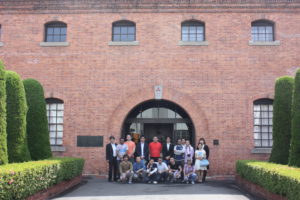
Industrial HeritagesThe Former Pattern Shop has been registered on UNESCO World Heritage as Sites of Japan’s Meiji Industrial Revolution. The Former Pattern Shop was built in 1898 to produce wooden patterns for castings and is the oldest factory building in the shipyard. It is a two-storied brick building with a timber roof truss. There is a U-shaped rail on the ceiling to transport materials. The building was refurbished to the Shipyard History Museum in 1985 and is open to the public.
-
-
Beppu Hell tour, in Beppu, Oita-prefecture
2024/05/13
ExperiencesBeppu’s most hyped attraction, Hell (Jigoku Meguri ) tour that is a collection of hot spring where the water bubbles forth from underground, often with unusual result. Five of the hells are located in the Kannawa district where over 4 km northwest of Beppu station, and two in the more remote Shibaseki district. Kannawa district : 5 hells are located within walking distance of each other in this area. Umi-Jigoku Sea Hell, it resemble of sea, this 200 metre deep, cobalt blue pond of boiling water emerge 1200 years ago after a volcano explosion. Oniishi Bouzu-Jigoku Oniishi shaving Head Hell, large and small bubble of hot gray mud that boiling up here look like the shaven head of monks. Shiraike-Jigoku White Pound Hell, the colorless water that naturally spouts from the ground mysteriously turn creamy white. Kamado-Jigoku Oven Hell, a bright demon standing on an enormous cooking pots is the mascot of the site, temptingly divided into six unique, pots of murky, budding thumping boiling water. Oniyama-Jigoku Devil’s Mountain Hell, the force of the steam produced at this Spring can pull one and a half train cars. This hellish site is the happy home of a variety of crocodile and alligator who slither down breeding water into the warm. Shibaseki district It takes about 5 minutes by car or bus from Kannawa district to this Shibaseki district. Chinoike-Jigoku Blood Pull Hell, the clay is steaming hot point that the steam is red. Japan’s oldest natural Jigoku as written about in the Bungo Topography …
-
-
Yoshinogari Remains, the 3rd century B.C.
2024/05/17
Japanese historyThe largest archeological remains in Japan. Lie on the spacious hilly area in the north-eastern part of Saga. Remains of a ringed-dugout settlement presumably dating back to the 3rd century B.C. were unearthed there, and excavation is still underway at the site. They are among the largest archeological remains in Japan.
 WhatsApp: Chat with us