
-

-
Okawachiyama porcelain district, in Imari
2024/02/12
Staff BlogImari is most notable because of Imari porcelain which has 400 years history. The city borders Arita to the south and embraces the natural port of Imari Bay. The porcelain was exported from the port of Imari specifically for the European export trade. Okawachiyama porcelain district Originally, an owner of the Imari porcelain was Nabeshima clan, in order to develop and protect its outstanding technique, he gathered skilled artisans and painters in Okawachiyama district. Now. about 30 potteries are manufacturing Imari porcelain.
-
-
Sumo
2024/02/09
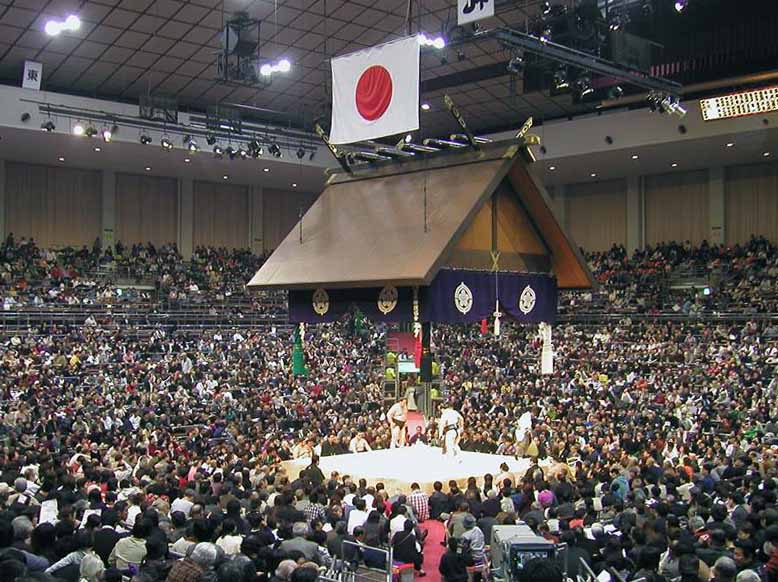
Japanese CultureSumo is a Japanese traditional martial art, which is the match of two Sumo wrestlers in the round ring called Dohyo. The winner is one who first makes his opponent step outside of the ring or into touching the ground with anything other than the sole of feet, there are 48 wining techniques. Professional Sumo Tournament is held six times a year, in Tokyo, Nagoya, Osaka and Fukuoka-city. Fukuoka Tournament is held at Fukuoka Kokusai Center in November.
-
-
Kanmon Pedestrian tunnel, in Kitakyushu-city
2024/02/09
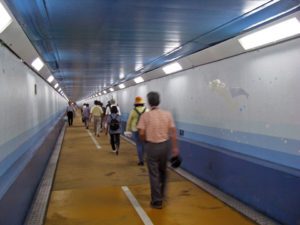
Off the beaten pathOnly the place in the world ! You can cross the strait on foot. The Kanmon Strait, separating Honshu and Kyushu, is a very beautiful and busy waterway with as many as 700 small and large ships a day passing through it. How to cross the strait on foot 780m length tunnel start from Moji The boundary of Moji and Shimonoseki to Shimonoseki
-
-
Starbucks at Dazaifu Shrine approach path
2024/02/08
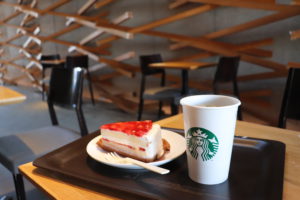
Japanese cuisine, Staff BlogCoffee break under the traditional atmosphere. The restaurant was designed by renown architecture designer Kengo Kuma in 2011. The concept of the design is Harmony of Modern and traditional by natural material; 2000 cedar timber is assembled in a traditional wood structure without using nails. Enjoy the luxurious time in the warmth of wood and the scent of coffee.
-

-
26 Saints Pilgrimage route on January 28 in 1597
2024/02/07
History of Japanese Christianity, Staff BlogThe route of this day was from Kokura in Kitakyushu to Akama in Munakata via Koyanose , the distance was 34.5 km. Started at Kokura accommodation around Kokura Castle, and walked to Tobata port along the Kanmon Strait. Transfered to Wakamatsu from Tobata by a boat. Walked to Akama through Ashiya and Koyanose, and then stayed at Akama.
-

-
26 Saints Pilgrimage route on January 27 in 1597
2024/02/06
History of Japanese Christianity, Staff BlogThere were 24 martyrs when they started Kyoto, but two more martyrs were added in Shimonoseki, then became 26 martyrs in total. The route of this day was from Karato in Shimonoseki to Kokura in Kitakyushu. Rode on the boat at Karato, and transfer to Dairi in Kitakyushu Karato Kanmon Strait Dairi They landed at Dairi and walked 6 km along the coastline of Kanmon Strait to Kokura, where was the place to stay. It is said that they stayed around Kokura Castle.
-
-
Akizuki, in Asakura
2024/02/05
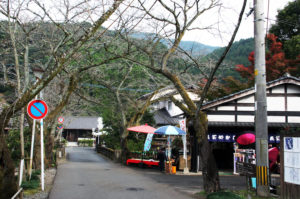
Staff BlogAkizuki is a former Castle town located in northern part of Asakura. It is a famous spot for cherry blossom in spring and fall foliage in autumn. You can enjoy the harmony of countryside landscape and former castle town scenery that makes the atmosphere like a time of 400 years ago.
-
-
Japan’s first Seminary
2024/02/02
History of Japanese Christianity, Staff BlogIn 1579, Priest Alessandro Valignano of Jesus from Portugal came to Japan to inspect the situatin of missionary work in Japan. Valignano believed that training Japanese priests and monks was the key to the success of missionary work in Japan. And then, he made the Japan’s first Seminary in Shimabara peninsula in 1580, where was the Hinoe Castle town of Arima Harunobu. Among the first students, included member of Tensho youth mission to Europe who were Ito Mansho Ito, Chijiwa Miguel, Hara Martino and Nakaura Julian. Note : Seminary is an educational institution established in Japan by the Society of Jesus between 1580 and 1614 to train Jesuit priests and monks.
-
-
Shinto shrine
2024/02/14
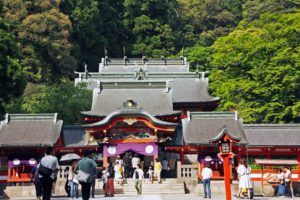
Featured things in JapanThere are over eighty thousand Shinto shrines in Japan, and they represent the oldest architectural style in the country. Shinto is a religion unique to Japan. Respect for land and nature is its basic premise. Usually there is a mirror in the case inside each Shrine. This is the symbol of Shrine’s deity. Shinto customs are common in Japanese life. Some people household altars and pray for good health, success and happiness every day.
-
-
Japanese Castle
2024/02/16
Featured things in JapanJapaense Castles were built by the lords to show off their power and control their provinces. They were both residences and military bases. They were made of wood, but used various defensive devices for protection. For example, moats were built around some castles. In fact, moats around the Imperial Palace in Tokyo, which used to be Edo Castle, are still preserved.
 WhatsApp: Chat with us