
Temples in Kyushu
This Tourist information is created by Japan KYUSHU Tourist for enjoyment
of your travel. We are a Travel Agent in Fukuoka specializing in Kyushu.
When you have an idea or a plan for traveling in Kyushu, Japan, please contact
us by sending an Enquiry. Make an Enquiry
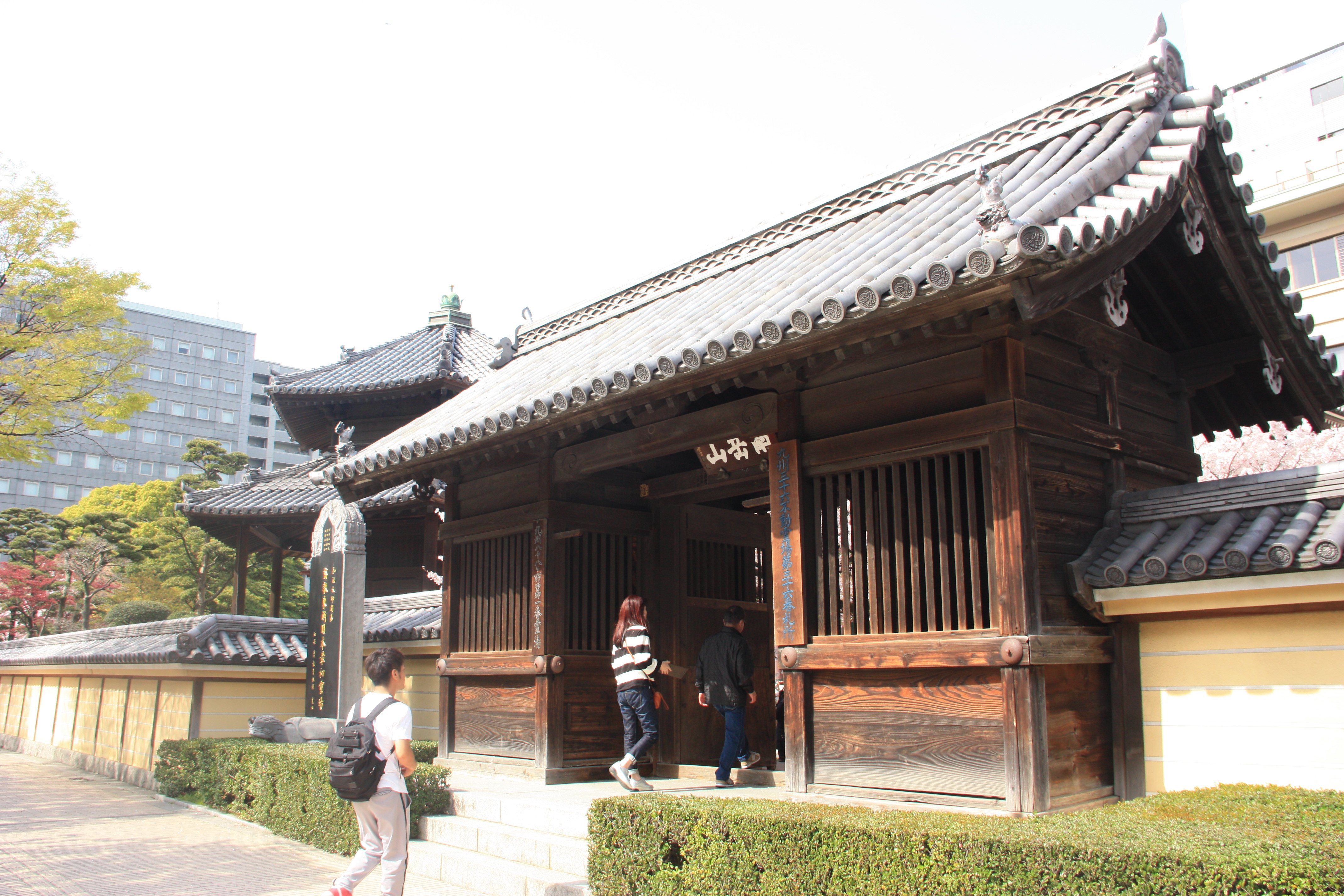
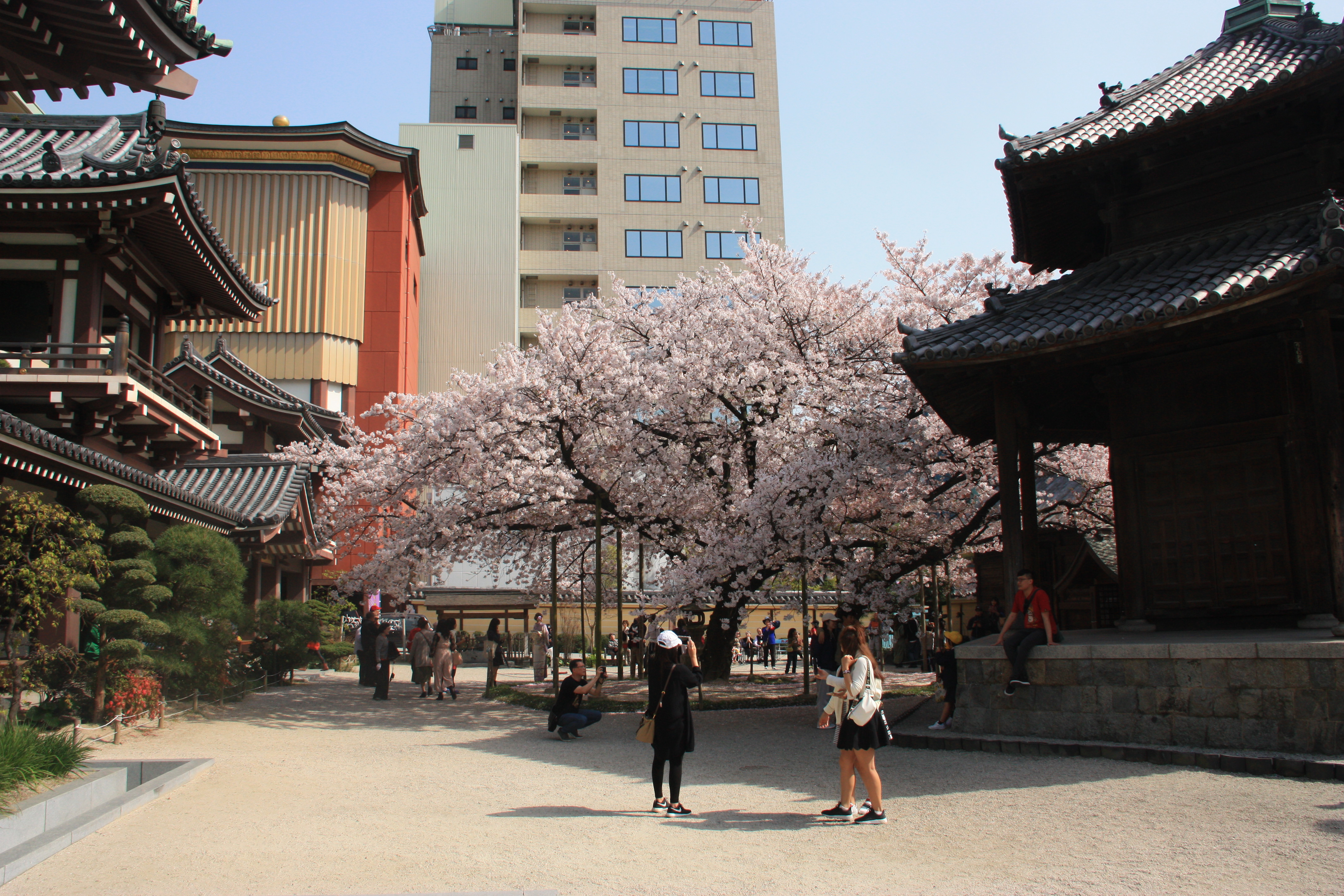
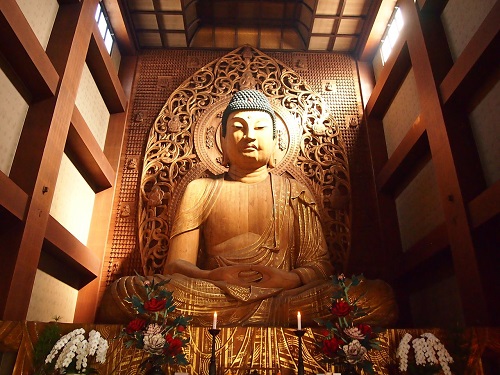
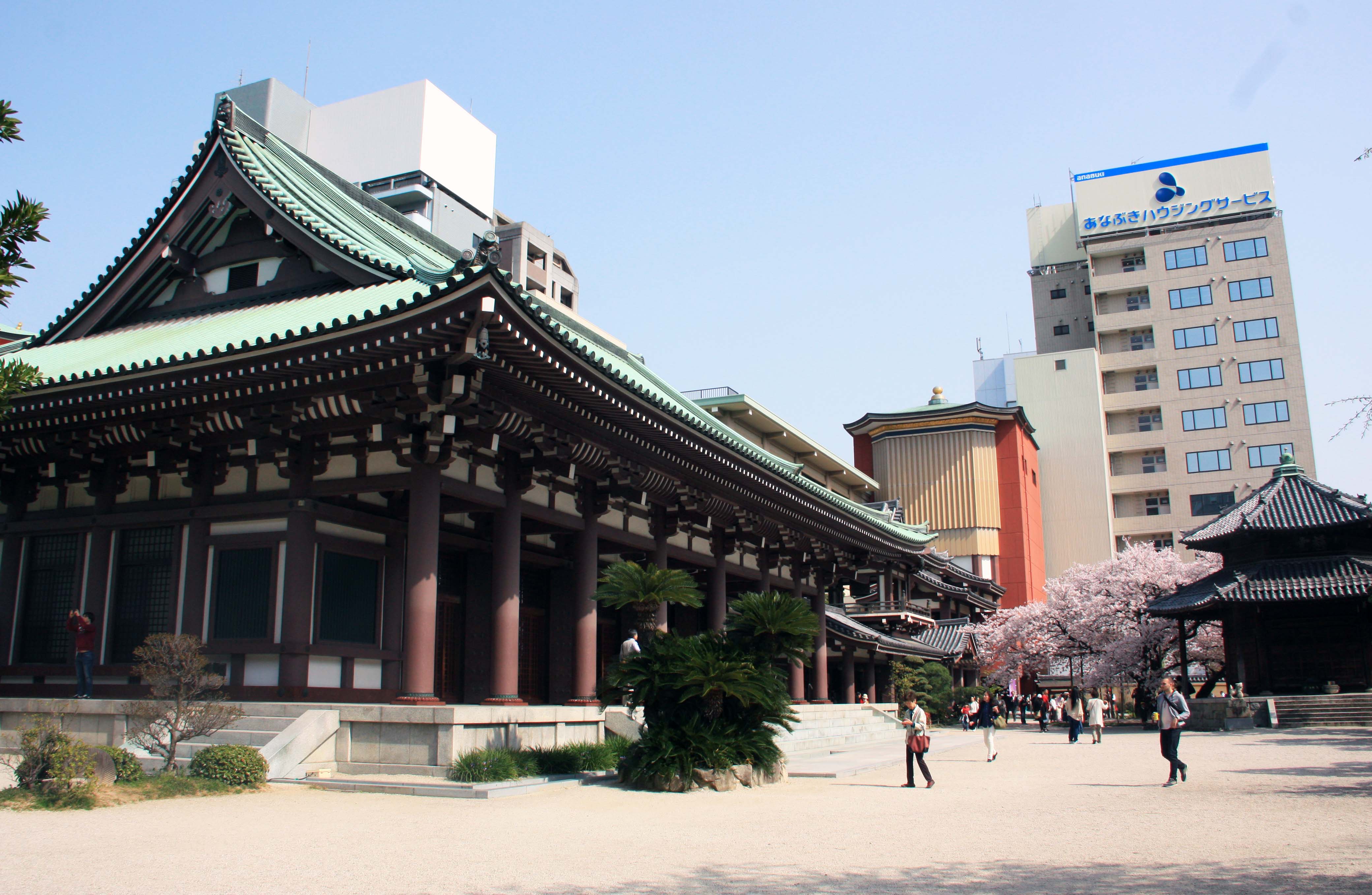
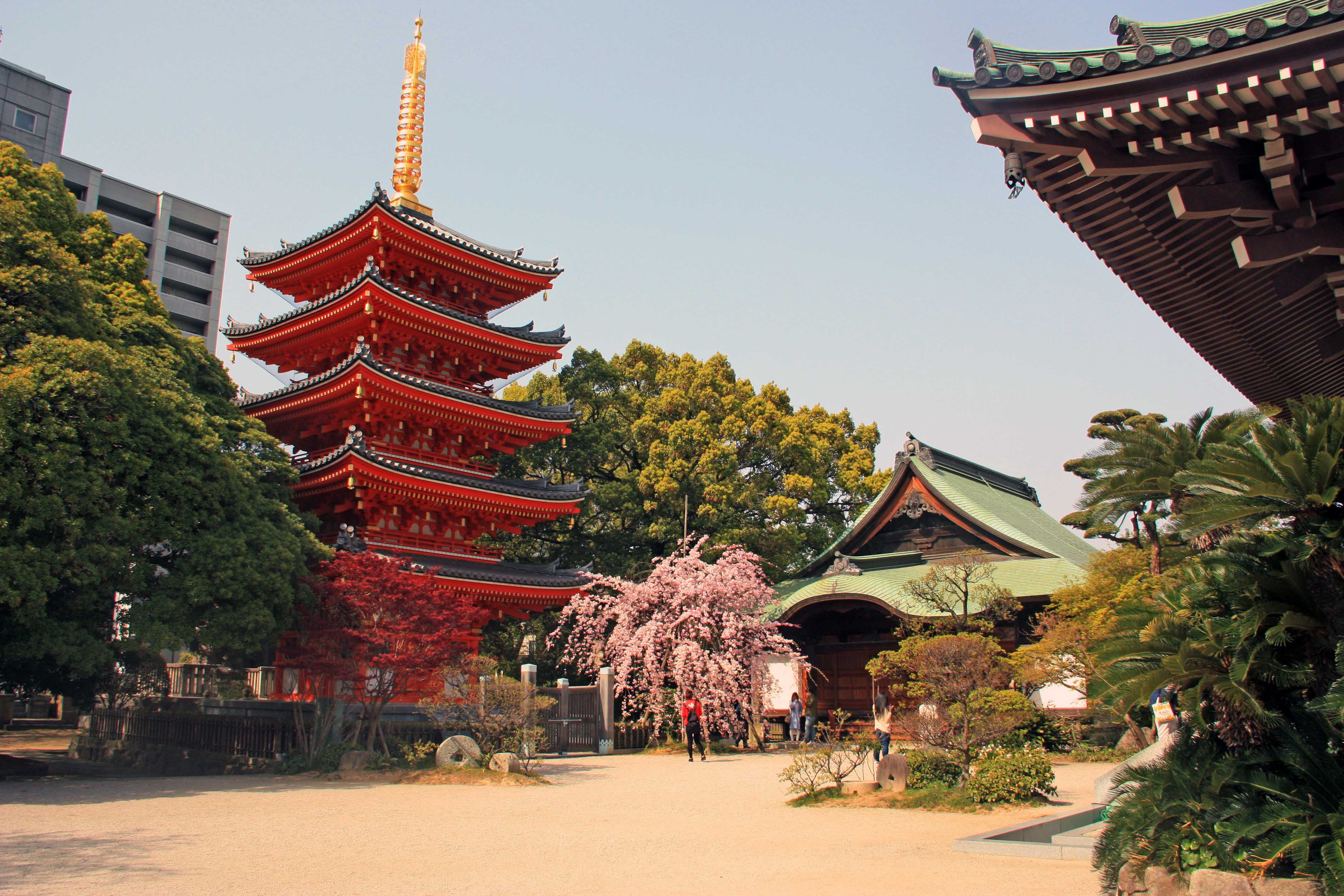
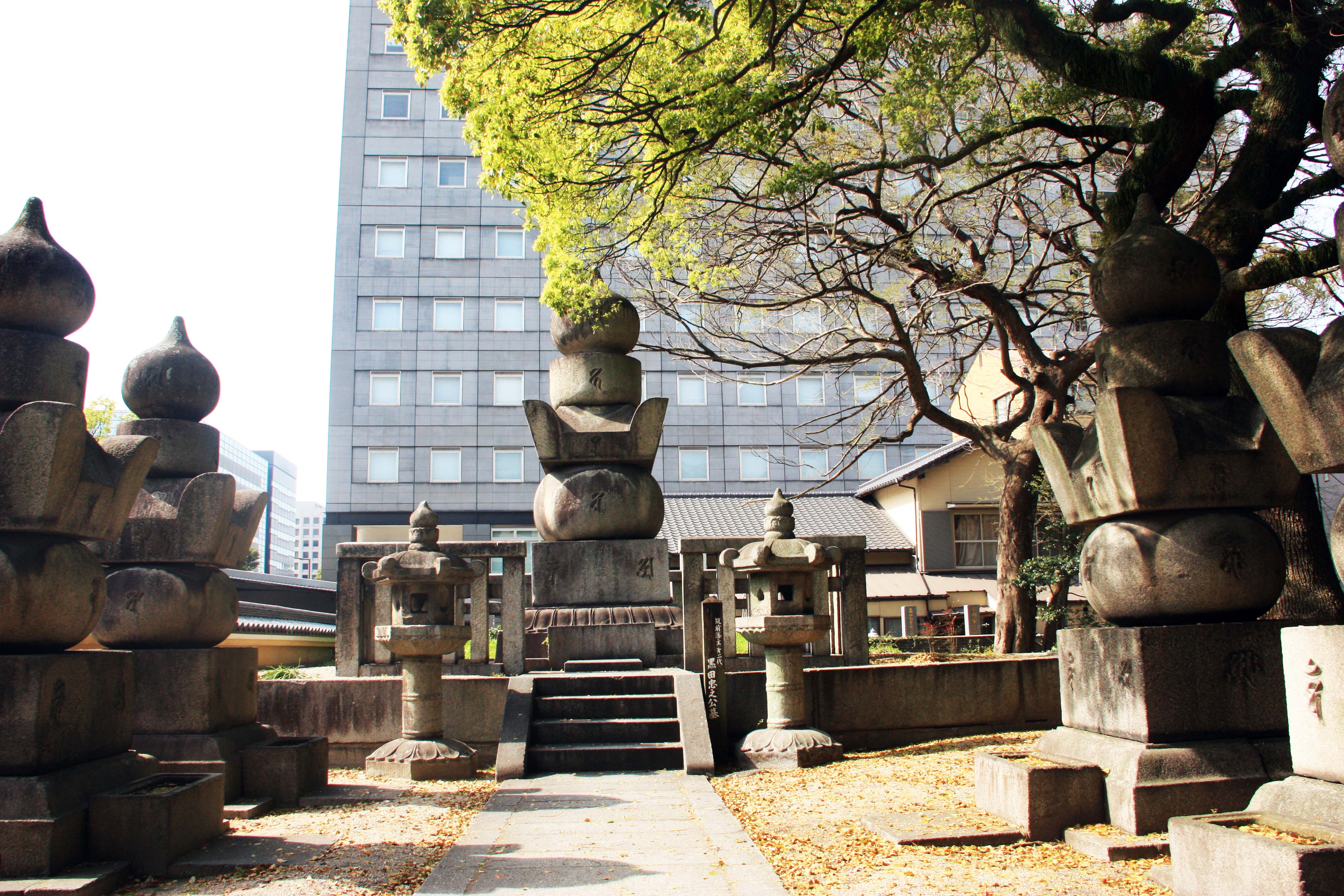
Tochoji temple in Fukuoka-city
The largest seated wooden image of Buddha in Japan. Tochoji temple was founded in
806 by Kobo-daishi Kukai and it is the oldest temple of the Shingon sect in Japan that
Kobo-daishi set up. It is also known as “Tocho-mitsuji Temple”. It is said that Kobo-daishi,
who returned to Hakata after undergoing ascetic training in China called Tang back then,
prayed for the eastward dissemination and perpetuation of Shingon Esoteric Buddhism.
 |
 |
 |
 |
 |
 |
Nanzoin is a Shingon Buddhist Temple in Sasaguri, Fukuoka-prefecture.
It is notable for its bronze statue of a reclining Buddha, said to be the largest
bronze statue in the world.
Completed in 1995, the giant bronze Reclining Buddha statue, known as Nehanzo,
depicts the historical Buddha at the moment of his death and entry into nirvana.
The statue’s impressive dimensions and intricate details make it a sight to behold,
attracting visitors from all over the world.
length : 41m, height : 11m, weight 330ton
|
|
|
|
 |
|
|

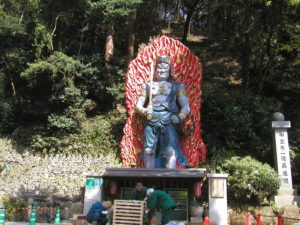
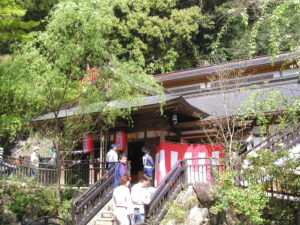
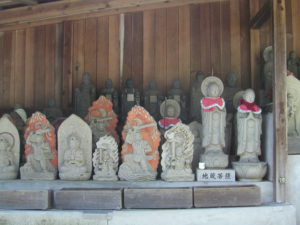
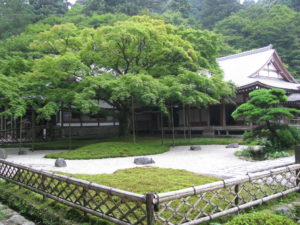
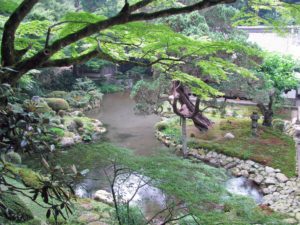
Raizen Sennyo-ji temple in Itoshima, Fukuoka-prefecture
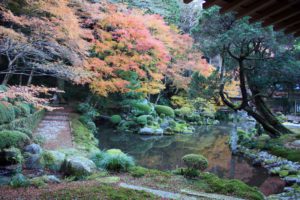
One of the most famous temple in Fukuoka prefecture known for being a great place for cherry
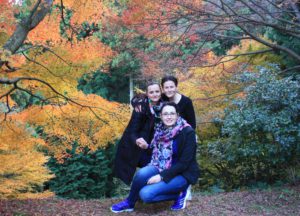
blossom viewing in the spring, and many people visit in the autumn to see the fall foliage.
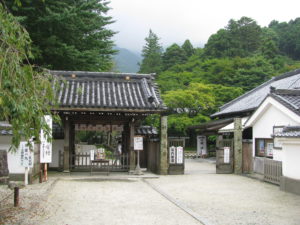 |
 |
 |
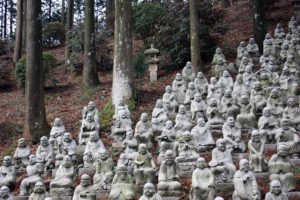
The temple was founded in 725, Nara period by Seiga, who come from India as a priest
during the period. There is an Important Cultural Property which is the 4.8 meter wooden
Avalokitesvara statue in the main hall. The main hall was founded by Kuroda Tsugutaka
who was the 6th feudal lord of Kuroda clan in Fukuoka.
 |
 |
 |
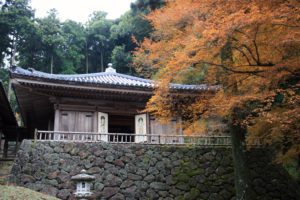
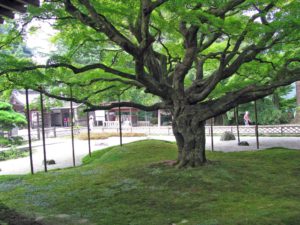
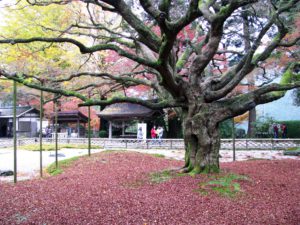
400 years of age big maple tree, which has been designated as natural monument of
Fukuoka prefecture, has been said to be planted by him.
 |
 |
 |
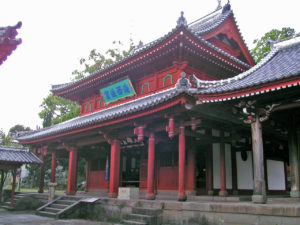
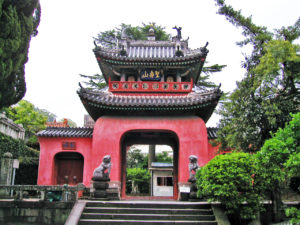
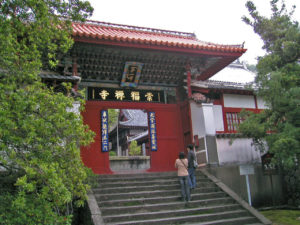
Sofukuji temple, Nagasaki-city
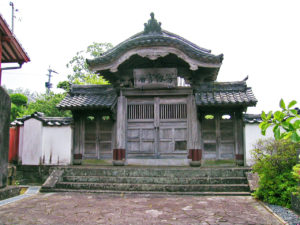
The first Chinese style temple in Nagasaki. Shortly after the construction of Kofukuji Temple,
Chinese traders asked the Nagasaki governor for permission to built Chinese temples
according to their home provinces. It is recorded that this temple was built in 1629 by people
who came from Fuzhou in Fujian Province. It is designated as a National Treasure.
|
|
|
 |
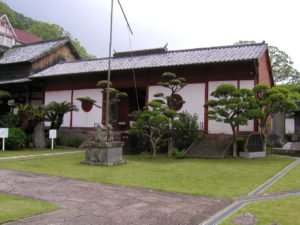
The existing main hall ( called Daiyuhoden ) was first prefabricated in China, then transported by
Chinese ship and constructed in 1646. As the oldest existing structure to retain the Obaku style
of the end of the Ming Dynasty, the temple’s hall is highly evaluated.
|
|
|
|
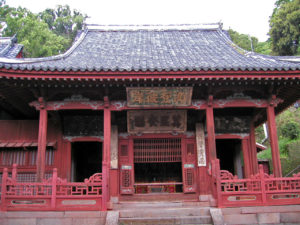
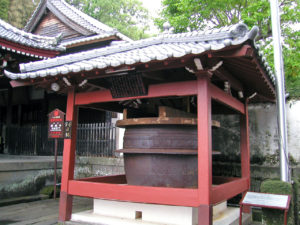
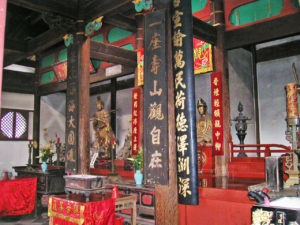
Kofukuji temple, in Nagasaki-city
After the Tokugawa Shogunate banned Christianity, non-Christian Chinese merchants
began making port at Nagasaki around 1600. Chinese people soon started living in Nagasaki
and etitioned the Nagasaki government to let them built a Chinese temple to pray for safe
navigation and console of the deceased. Permission was granted for the construction of
first Chinese temple.
|
|
|
|
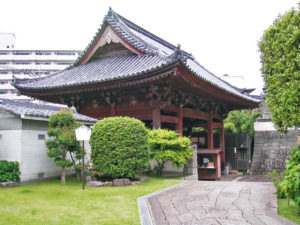
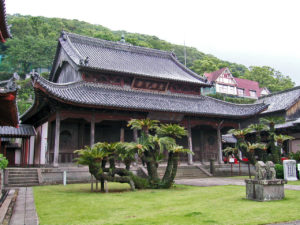
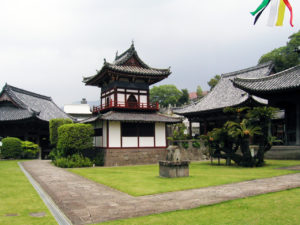
Kofukuji Temple was completed in 1620, and Chinese traders then planned to invite a high-ranking
priest from China as the temple’s chief abbot. The Kofukuji Temple’s present main hall was built in
1883 by Chinese experts who were invited to Japan mainly by residents in Nagasaki hailing from
Nanjin. It was designated as an Important Cultural Asset.
|
|
|
|
Onsen resort
This Tourist information is created by Japan KYUSHU Tourist for enjoyment
of your travel. We are a Travel Agent in Fukuoka specializing in Kyushu.
When you have an idea or a plan for traveling in Kyushu, Japan, please contact
us by sending an Enquiry. Make an Enquiry
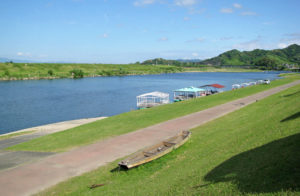
Harazuru, in Fukuoka-prefecture
A tranquil Onsen Resort near Fukuoka-city, located in Asakura-city on the banks of
Chikugo River. The quality hot spring is weakly alkaline and sulfur is mixed and has
the effect of dropping old horn and creating beautiful skin.
|
|
|
 |
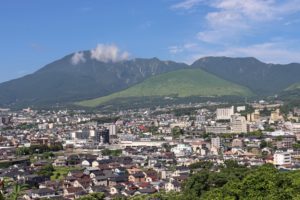
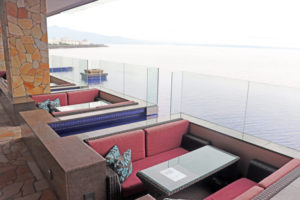
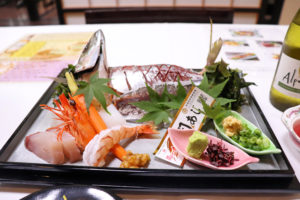
Beppu is one of the most famous Onsen resort in Japan. Beppu Onsen resort is located on
a slope from mount Tsurumi to facing Beppu Bay where onsen steam rising from any places.
Boasting more than 2,800 hot spring sources and flowing rate of nearly 137,000 kiloliters per
day, Beppu is considered a paradise of hot springs famous for high therapeutic effects.
 |
 |
 |
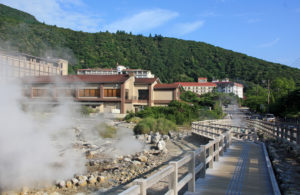
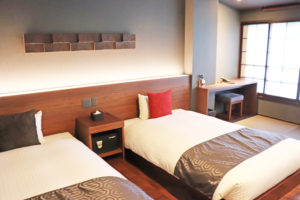
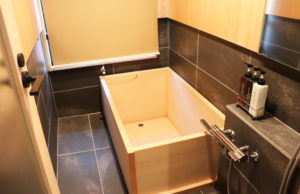
Beautiful highland Onsen Resort situated Unzen National Park. The area was the first area to
be designated as a National Park in Japan. Whether you are taking in the stunning panoramic
views from top one of the many peaks including Nita-toge Pass or looking up these volcanic
mountains or Fugen, you will marvel at the spectacular scenery.
 |
 |
 |
Aso is located almost in the center of Kyushu and possesses the world’s largest Caldera with
18km west-east and 24km north-south, created by 4 periods of explosive volcanic activity in
the ancient times.
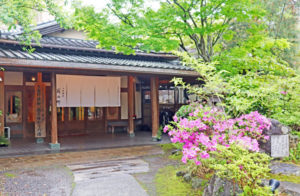
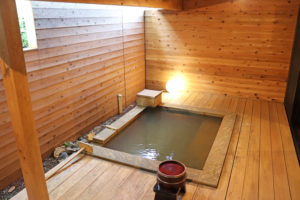
The many Onsen resorts were created due to volcanic activity during ancient times,
such as Southern part of Aso, Northern part of Aso, Uchinomaki, Kurokawa, Kikuchi.
 |
 |
 |
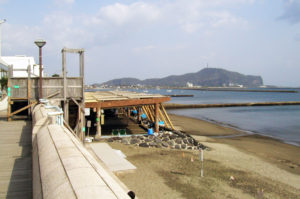
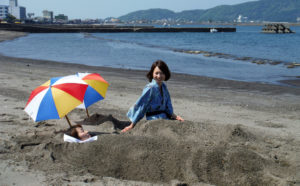
it is best known for its steaming sand baths along the beach, where bathers in a yukata, or
Japanese bathrobe get buried in the sand up to their neck. The sand heated by steam
containing marine minerals is scientifically proven to have therapeutic effects on neuralgia,
rheumatism, back pain and other ailments.
|
|
 |
|
Nature in Kyushu
This Tourist information is created by Japan KYUSHU Tourist for enjoyment
of your travel. We are a Travel Agent in Fukuoka specializing in Kyushu.
When you have an idea or a plan for traveling in Kyushu, Japan, please contact
us by sending an Enquiry.
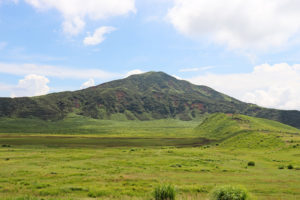
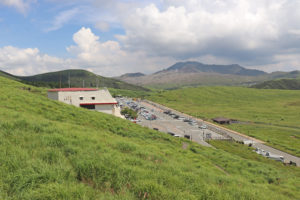
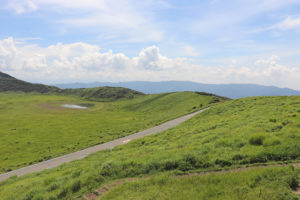
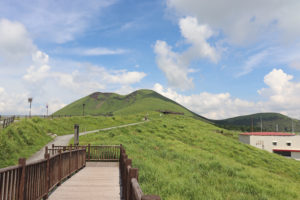
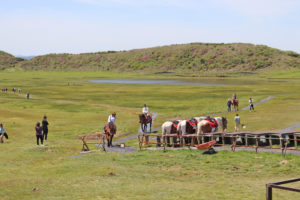
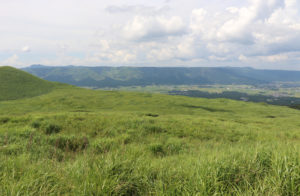
The beautiful prairie of 785,000 square meter in the crater. Spreads in northern part of
Mt. Eboshi that is one of the Aso five Mountains.
A big pond at its center and grazing horses round about make an idyllic scene.
Visitors can enjoy the various seasons from its vivid green summer to the fantastic silvery
winter, as well as riding horses and strolling around throughout the year.
 |
 |
 |
 |
 |
 |
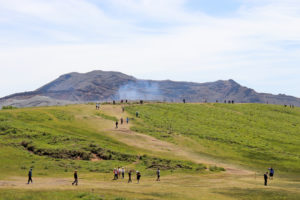
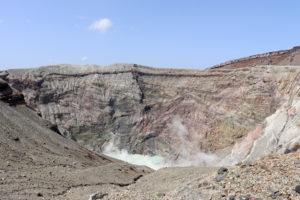
Mount Naka is a part of Mount Aso.
Mount Aso is consist of five consecutive mountain located in the Caldera where is
25 km across north to south and 18 km across east to west.
The most exciting mountain is Mount Naka with an altitude os 1506m which is the
largest active volcano in Japan.
You can see the Crater from the top, depending on the weather condition.
 |
 |
 |
 |
 |
 |
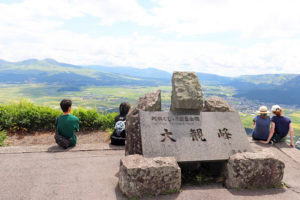
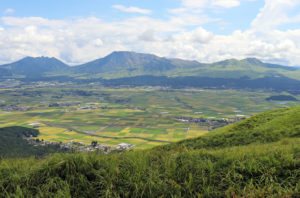
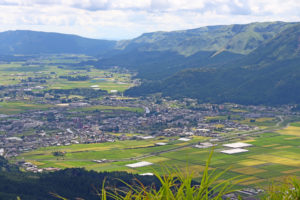
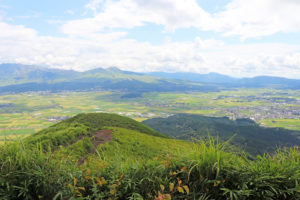
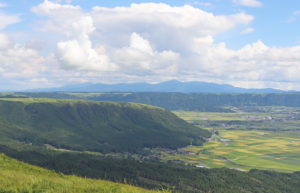
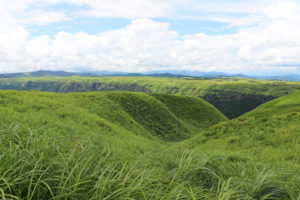
Daikanbo is located on the northern part of outer edge of the Aso Caldera. The perfect spot view
the northern part of caldera and the Aso five mountains. The must visiting tourist spot in Aso,
The circumference of the Aso caldera is about 130 kilometers. From the observation site, you
can clearly see its conical shape. Early in the morning, the clouds had spread out below us, and
hung over the caldera as if they were a large sea.
 |
 |
 |
 |
 |
 |
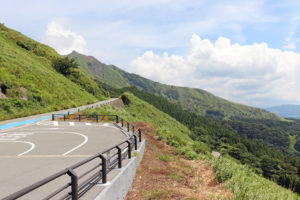
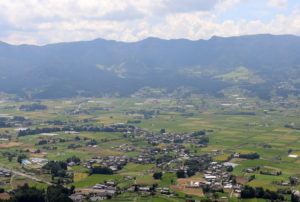
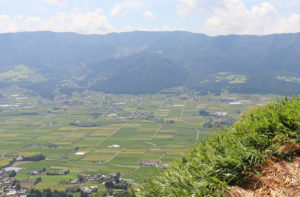
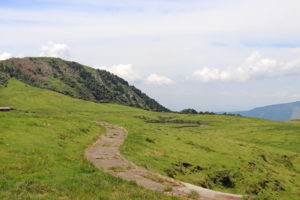
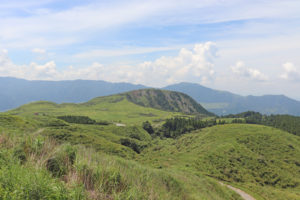
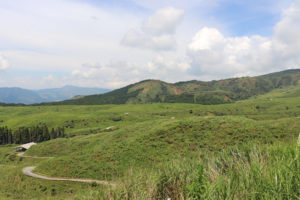
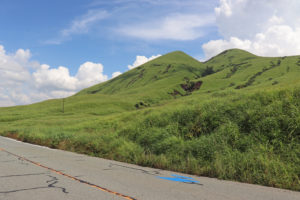
Aso South Panorama line, in Aso
The Aso Panorama line is the Aso mountain roads that leads to the summit of Mount Five mountains.
There are three routes, and the most recommended are South and North Panorama
lines. Aso South Panorama line is connected from Minami-Aso to Aso Five mountains area.
 |
 |
 |
 |
 |
 |
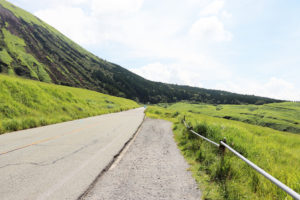
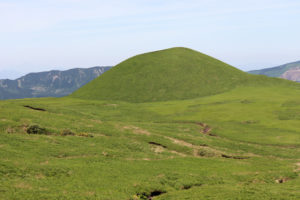
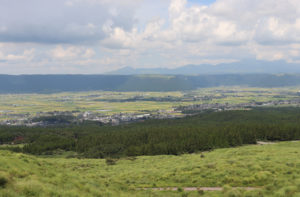
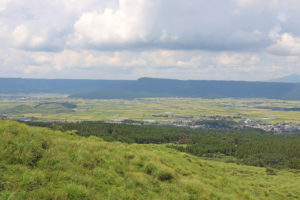
Aso North Panorama line, in Aso
Aso North Panorama line is connected from Aso-city to Aso Five mountains.
 |
 |
 |
 |
 |
 |
About Kyushu
 Yufuin




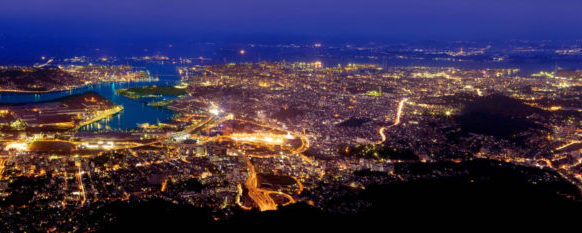

Kyushu is one of the Japan’s major Island with a size of 330km north-south and 240km
east-west, and composed of numerous unique and charming regions made by own
nature, history, climate and culture.
Kyushu is also one of the oldest part of Japan, and it is believed to have hosted some of
first human settlers from other part of Asia.
As well there are abundant fantastic hidden gems around popular destinations,
and further more there are lot of off the beaten path in the remote areas.
Its biggest city, Fukuoka, one of the county’s largest, and Fukuoka’s metropolitan area has
the fourth biggest population national wide.
Geography
The island is mountainous, and Japan’s most active volcano, Mt Aso at 1,591 metres, is on Kyushu.
There are many other signs of tectonic activity, including numerous areas of hot springs.
The most famous of these are in Beppu, on the east shore, and around Mt. Aso in central Kyushu.
Kyushu is a politically defined region that consists of the seven prefectures on the island of Kyushu,
plus Okinawa Prefecture to the south.
Fukuoka-prefecture, Saga-prefecture, Nagasaki-prefecture, Oita-prefecture, Kumamoto-prefecture
Miyazaki-prefecture, Kagoshima-prefecture
Kyushu is the Gateway to Japan
Kyushu has accumulated by far the richest experience of early contacts with sophisticated
cultures from the continent and beyond. Japan’s encounters with Chinese civilization, and
subsequently Europe, have all started here in Kyushu.
Whenever questions are raised on origin of Japanese culture, identity and relations with
the outside world, at some stage the focus inevitably returns to the history of Kyushu.
 |
Kyushu has rich landscapes including nature and diverse cultures including food cultures. And also, Kyushu is known as ‘Onsen island’ and there are many Onsen resorts to stop into while you’re travelling around. |
Kyushu is known for the best and most picturesque Onsen resorts in all of Japan.
The profusion of Onsen is due in part to Kyushu’s very landscape: it’s home to no less than
9 volcano groups that are responsible for creating the island’s thermal waters.
 |
・Harazuru Onsen in Fukuoka–prefecture ・Takeo & Ureshono Onsen in Saga-prefecture ・Unzen Onsen , Obama Onsen in Nagasaki-prefecture ・Beppu Onsen, Yufuin Onsen in Oita-prefecture ・Aso Onsen, Kurokawa Onsen in Kumamoto-prefecture ・Ibusuki Onsen, Kirishima Onsen in Kagoshima-prefecture |
Japanese cuisines and local delicacies
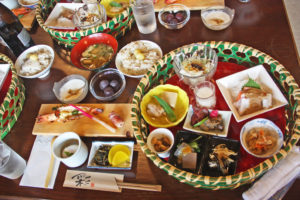 |
You can enjoy many different local dishes using fresh and unique ingredients in various places during your travel. Also you can meet a lot of amazing things what you have never experienced before. |
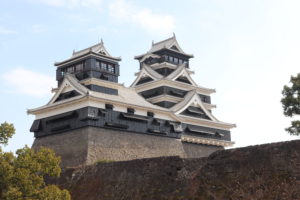 |
Long ago Japan was divided into many small provinces. The lords of each province fought to take each other’s territory. Castles were built by the lords to show off their power and control their provinces. They were both residences and military bases. They were made of wood, but used various defensive devices for protection. |
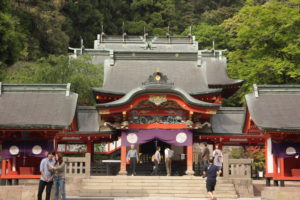 |
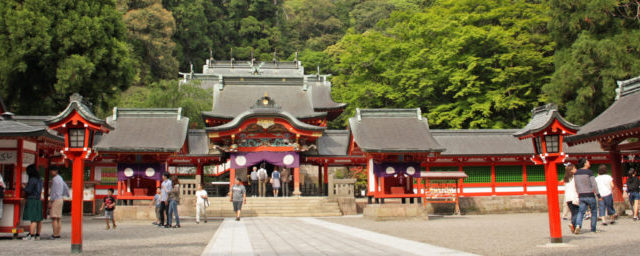
There are over eighty thousand Shinto shrines in Japan, and they represent the oldest architectural style in the country. Shinto is a religion unique to Japan. Respect for land and nature is its basic premise. Usually there is a mirror in the case inside each Shrine. This is the symbol of Shrine’s deity. |
UNESCO World Heritages
Sites of Japan’s Meiji Industrial Revolution
 |
Iron and Steel, Shipbuilding, and Coal Mining, are a grouping of historic sites that played an important part in the industrialization of Japan in the Bakumatsu and Meiji periods. Location of the site : Kitakyushu, Nakama, Saga, Omuta, |
Hidden Christian Sites in the Nagasaki Region
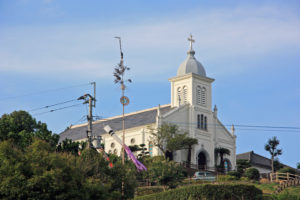 |
Hidden Christian Site in Nagasaki Regions bear unique testimony to the tradition of people and their communities who secretly transmitted their faith in Christianity while surviving in the midst of the conventional society and its religions during the time of prohibition. Location of the sites are Nagasaki, Shimabara, Hirado and Amakusa. |
The Sacred Island Okinoshiam and Associated site in the Munakata
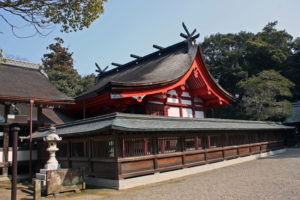 |
In three shrines of Munakata Taisha, located in the islands of Okinshima, Oshima and Kyushu. From Okitsu-miya Yohaisho on Oshima, we can worship Okinoshima from afar. And Shimbaru-Nuyama Mounded Tomb Group is the evidence of people who nurtured the tradition of worshipping the sacred island. Location of the sites are Munakata, Fukutsu, and Oshima. |
Yama, Hoko, Yatai, float festivals in Japan
 |
In cities and towns throughout Japan, float festivals are held by communities annually to pray to the gods for peace and protection from natural disasters. Location of the site : Kitakyushu, Fukuoka, Hita, Karatsu, Yatsushiro. |
Festivals and Events in Kyushu
 |
 |
The tourist information on Kyushu for each prefecture and each area are prepared and by Japa n Kyushu Tourist. |
 |
Japan Kyushu Tourist offers various types of customized tour package as a Tailor-made tour exclusively for you. |
Kyushu

 WhatsApp: Chat with us